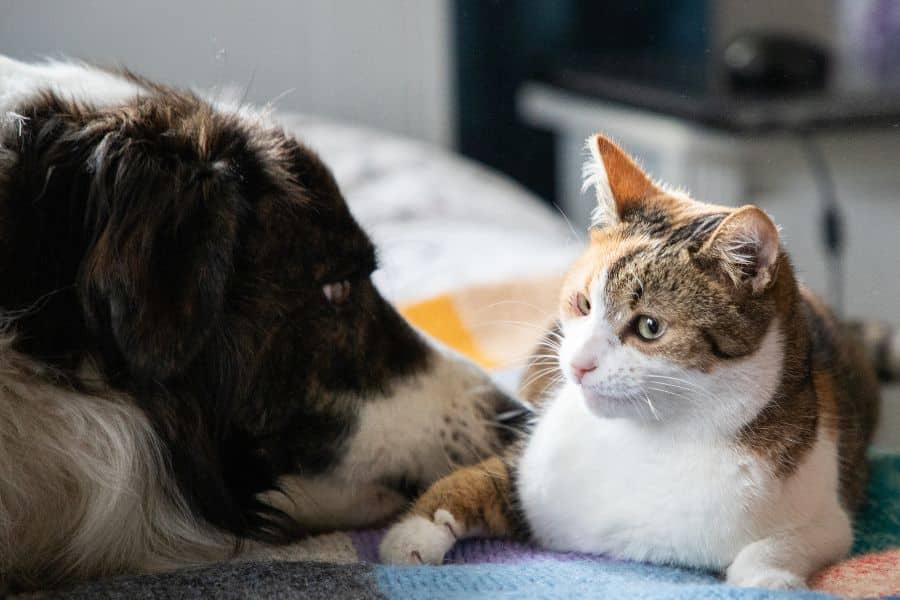
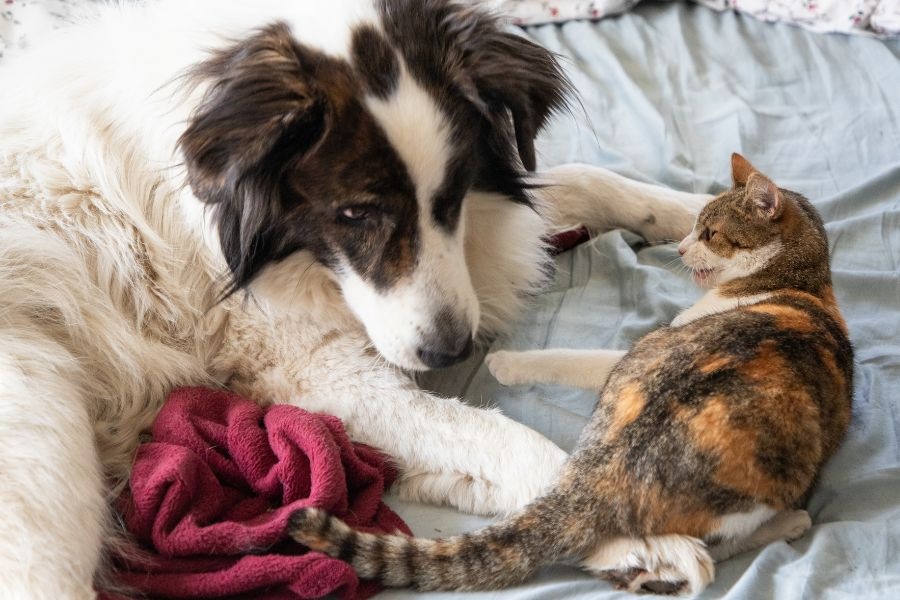
Choosing the best pet for families is one of the most exciting decisions you will ever make, but it can also feel overwhelming. Do you go with an energetic dog that loves outdoor adventures, or a calm, independent cat that fits a busy schedule? The answer depends on your lifestyle, your living space, how much time you have, and what kind of bond you want with your pet. First-time owners often underestimate how different the day-to-day care really is between the two. This guide walks you through everything you need to know before bringing a new companion home. Whether your family is drawn to morning jogs with a Labrador or cozy evenings with a lap cat, the right match is out there. Read on and find the pet that fits your family like a glove.
What Does Your Daily Routine Look Like?
Before falling in love with a fluffy face, take an honest look at your schedule. Dogs need structured routines. They require daily walks, outdoor time, and consistent feeding schedules. A working family that is away from home for eight to ten hours a day will need to plan for dog walkers, daycare, or a dog-friendly workspace. Cats, by comparison, are far more self-sufficient. They use a litter box, groom themselves, and can comfortably spend the day alone without distress.
Think about your energy level, too. High-energy dog breeds like Border Collies, Australian Shepherds, and Siberian Huskies thrive with active families who love hiking, running, or outdoor play. Lower-energy breeds like Basset Hounds, Shih Tzus, and Cavalier King Charles Spaniels are better for families who prefer a slower pace. Dogs in general need more daily engagement than cats, and that is not a flaw. It is simply part of the commitment.
Cats tend to match well with first-time owners who have unpredictable hours. Many experienced vets note that first-time owners often feel more confident starting with a cat because the daily care demands are lighter, giving new pet parents time to build their skills and routines gradually.
Understanding Dog Breeds for First-Time Owners
Not every dog is equally beginner-friendly. Some breeds are patient, trainable, and forgiving of rookie mistakes. Others require experienced handlers. Knowing which breeds suit first-time owners makes the decision much easier.
Great dog breeds for first-time owners include:
- Labrador Retriever: Friendly, eager to please, and highly trainable. Labs adapt well to families with children and are one of the most popular choices for a reason.
- Golden Retriever: Gentle, patient, and social. Golden Retrievers are forgiving during the learning curve of first-time ownership.
- Poodle (Standard or Miniature): Intelligent and low-shedding. Poodles are a smart pick for families with allergies or those who want a trainable companion.
- Beagle: Curious and friendly, though known for their strong nose. Beagles do well in families who can provide regular outdoor exercise.
- Bichon Frise: Small, cheerful, and adaptable. Bichons work well in apartments and homes alike.
Dog breeds for first-time owners should ideally have calm temperaments, respond well to positive reinforcement, and tolerate the inevitable inconsistencies of new pet parents. Avoid working breeds or guarding breeds as a starting point unless you plan to invest seriously in professional training.
One thing first-time dog owners are often surprised to learn: dogs that seem low-energy as puppies can become very active adolescents. Researching adult behavior, not just puppy behavior, leads to a much better long-term fit.
Understanding Cat Breeds for Beginners
Cats are often seen as the simpler choice, and in many ways, they are. But personalities vary widely between breeds, and matching the right cat to your household matters just as much as it does with dogs.
Friendly cat breeds ideal for beginners include:
- Ragdoll: Known for going limp when held, Ragdolls are famously calm and affectionate. They do well with children and adapt easily to indoor living.
- Maine Coon: Large, sociable, and dog-like in their loyalty. Maine Coons enjoy interactive play and are very tolerant of busy households.
- Scottish Fold: Quiet, gentle, and adaptable. Scottish Folds bond closely with their families without being overly demanding.
- Domestic Shorthair: Not a pedigree breed, but one of the most common and resilient. Shelter cats of this type often make wonderful first pets.
- British Shorthair: Calm, independent, and low-drama. British Shorthairs are a solid choice for households that want companionship without constant attention-seeking behavior.
Cat breeds for beginners are best chosen based on temperament rather than appearance alone. An interactive, social breed like a Maine Coon is a very different experience from a more independent breed like a Russian Blue. Think about whether you want a lap cat, a playful companion, or a quiet observer.
Many first-time cat owners are surprised to discover that cats require more veterinary attention than expected. Regular checkups, dental care, and parasite prevention are just as important for cats as they are for dogs.
Low-Maintenance Pets for Families: Matching Energy to Environment
One of the most common questions new pet owners ask is: Which pet is truly lower maintenance? The honest answer is that both dogs and cats require time, money, and attention. The differences lie in where that effort goes.
Cats generally require less hands-on daily time. Low-maintenance pets for families who have long work hours, small apartments, or children with very full schedules are often cats. However, cats need mental stimulation, regular grooming (especially long-haired breeds), and routine vet visits. Assuming a cat needs nothing is one of the biggest mistakes first-time owners make.
Dogs require more daily structure. Walks, training, socialization, and playtime are non-negotiable for most breeds. That said, the time invested in a dog often produces a deeper, more interactive bond. For families who want a companion that responds to commands, joins them on walks, and greets them at the door every evening, that investment is deeply rewarding.
Living space matters too. A large backyard suits high-energy dog breeds like Boxers or Weimaraners. A two-bedroom apartment suits calm small breeds or most cats. In the Northeast Tennessee region, where outdoor space is often plentiful, many families find that dogs fit naturally into their lifestyle, especially with access to trails and parks.
Low-maintenance pets for families are not necessarily the best pets for families. The best pet is the one whose needs you can realistically and happily meet every single day. At Cherokee Hospital for Animals, the veterinary team regularly helps first-time owners in Johnson City think through these very questions during new pet wellness consultations.
First Time Dog Owner Tips That Apply to Every New Pet Parent
Whether you choose a dog or a cat, a few principles hold true for every first-time pet owner.
Start with a veterinary exam. Within the first week of bringing a pet home, schedule a pet wellness exam. This establishes a health baseline, gets vaccinations on schedule, and gives you a trusted resource for every question that follows.
Set up your home before arrival. Have food, bedding, litter or leash, and a safe space ready before your pet arrives. A calm first day makes the adjustment easier for everyone.
Be patient with behavior. New pets, especially rescues, often need two to four weeks to fully decompress and show their true personalities. First-time dog owner tips that go unspoken often include this: the dog you see in week one is not always the dog you will have in week six.
Commit to training early. Dogs benefit from obedience training from day one. Cats benefit from environmental enrichment and litter training guidance. Both benefit from positive reinforcement and consistent routines.
Plan for veterinary care. Routine pet wellness visits, dental cleanings, parasite prevention, and nutritional guidance are not optional extras. They are the foundation of a long and healthy life for your pet.
Bringing a new pet home in Johnson City means having access to experienced veterinary support right in the community. Making that first appointment a priority sets your new family member up for a lifetime of good health.
Conclusion
Whether you are ready for a playful Beagle puppy or a relaxed Ragdoll kitten, the best pet for families is the one that fits your real life, not just your wishful thinking. Take time to research breeds, visit shelters, and talk to your veterinarian before committing. Both dogs and cats are capable of becoming deeply cherished members of your family when you choose thoughtfully. At Cherokee Hospital for Animals, we provide compassionate veterinary care for dogs and cats in Johnson City, TN, and the surrounding communities, including Kingsport, Bristol, and the greater Tri-Cities area. From your new pet’s first wellness exam to every routine visit that follows, we are here to support you every step of the way. Book an appointment today.
Frequently Asked Questions
Q: Which is better for a first-time pet owner, a dog or a cat?
Ans: Both can be great for first-time owners, depending on lifestyle. Cats tend to be more independent and suit busier schedules, while dogs offer a more interactive bond but require more daily time and structure. The best choice is the one that fits your real routine.
Q: What are the easiest dog breeds for first-time owners?
Ans: Labrador Retrievers, Golden Retrievers, Poodles, Beagles, and Bichon Frises are consistently recommended for first-time owners. These breeds tend to be friendly, trainable, and tolerant of beginner mistakes.
Q: What cat breeds are best for families with children?
Ans: Ragdolls, Maine Coons, and British Shorthairs are excellent choices for families with children. These breeds are known for calm, patient temperaments and adapt well to busy, active households.
Q: How much does a first-time pet owner need to spend on veterinary care?
Ans: Veterinary costs vary depending on your pet’s age, breed, and health needs. Speak with your veterinarian for specific pricing information. Routine wellness visits, vaccinations, parasite prevention, and dental care are essential expenses to plan for from the start.
Q: Should I adopt from a shelter or buy from a breeder as a first-time owner?
Ans: Both are valid options. Shelter pets, including mixed breeds and Domestic Shorthair cats, often make wonderful companions and are a great fit for first-time owners. Breeders can offer more predictability in temperament and size. In either case, scheduling a veterinary wellness exam immediately after adoption is strongly recommended.