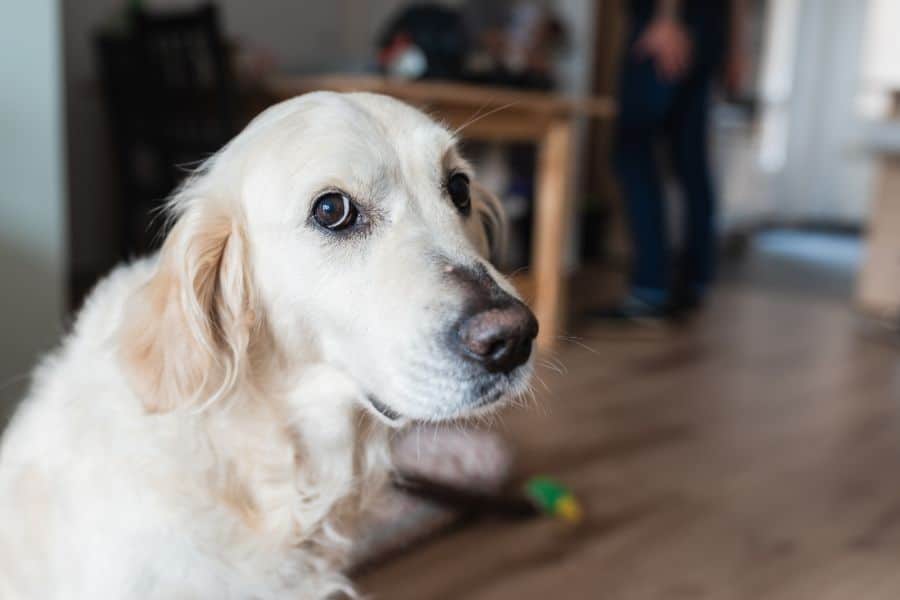
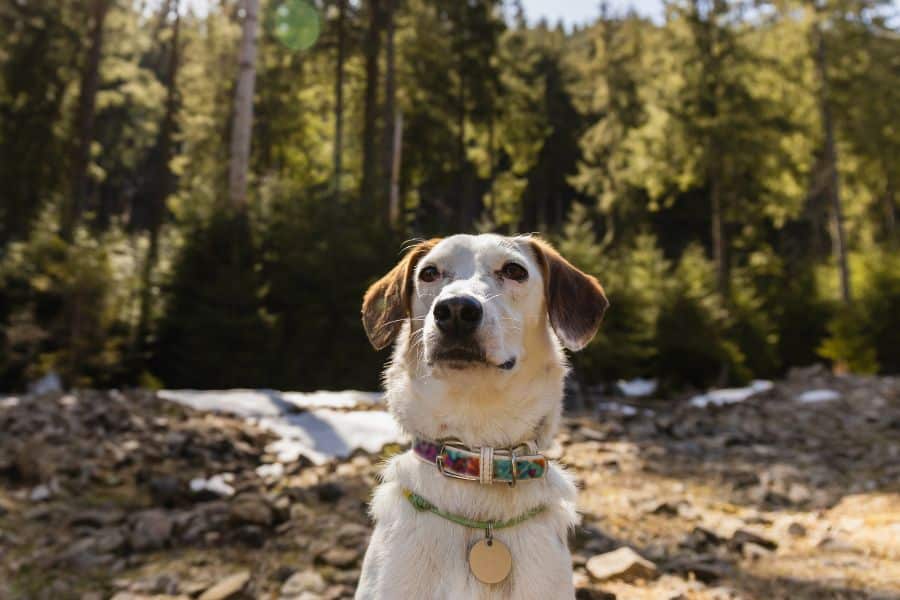
Your dog keeps scratching at their ear. You notice a smell. Maybe you’ve already tried a round of medication, but the problem just won’t go away. A dog ear infection that lingers or returns after dog ear infection treatment is more than a nuisance. It is a signal that something deeper needs attention. Ear infections are one of the most common reasons dogs visit the vet, with studies estimating they account for nearly 20% of all canine veterinary visits each year. But when an infection refuses to resolve, pet owners often feel stuck between waiting it out and seeking further help. This article explains why some ear infections persist, what warning signs mean you need to act fast, and how to protect your dog’s long-term ear health before the problem becomes more serious.
Why Won’t My Dog’s Ear Infection Clear Up?
Not all ear infections are the same, and that is precisely why some cases resist standard dog ear infection treatment. The most common culprit is an underlying condition that has never been identified or addressed. When an infection keeps coming back, the infection itself is rarely the root problem.
The three most common reasons an ear infection won’t clear up:
- Allergies. Environmental or food allergies cause chronic inflammation in the ear canal, creating the warm, moist conditions that bacteria and yeast thrive in. Treating the infection without addressing the allergy almost always leads to relapse.
- Incorrect or incomplete treatment. Ear infections require the right medication for the right organism. Bacterial and yeast infections respond to different treatments. If the wrong one was used or the full course wasn’t completed, the infection survives and rebounds.
- Anatomical factors. Dogs with long, floppy ears or narrow ear canals trap heat and moisture naturally. These breeds are far more susceptible to recurring ear problems, which dogs face again and again, no matter how carefully owners clean and medicate at home.
Understanding which factor is driving your dog’s situation is the first step toward lasting relief.
Signs Your Dog’s Ear Infection Is Getting Worse
A mild ear infection can become a serious health problem if left unaddressed. Many dog owners assume that scratching and head shaking are just typical signs of a minor issue. In practice, these behaviors often indicate that an infection is intensifying inside a part of the ear you cannot see.
Watch for these warning signs that your dog needs prompt veterinary attention:
- Persistent or worsening head shaking. Occasional head shaking is normal. Constant or violent head shaking suggests increasing discomfort deep in the canal.
- Dog ear discharge signs that change in color or volume. Healthy ears produce minimal waxy buildup. Brown, yellow, green, or black discharge that has increased, thickened, or developed a strong odor is a red flag.
- Crying or pulling away when the ear is touched. This level of sensitivity means the infection has likely moved beyond the outer ear and is causing real pain.
- Visible swelling or redness around the ear flap. Inflammation spreading to the outer ear tissue can indicate an aural hematoma forming, a condition where blood pools under the ear flap due to trauma from scratching.
- Loss of balance or head tilt. These are serious dog ear pain symptoms that suggest the infection may have reached the middle or inner ear, affecting your dog’s vestibular system.
- Scratching until the skin breaks. Open sores near or around the ear invite secondary skin infections and extend your dog’s discomfort significantly.
If you notice any of these signs, contact your veterinarian promptly. Waiting rarely improves the outcome and can allow a treatable infection to cause permanent damage.
How Vets Diagnose a Stubborn Ear Infection
When a dog’s ear infection is not clearing up as expected, a thorough diagnostic process makes all the difference. A visual check at home simply cannot reveal what is happening deep inside the ear canal.
Here is what a proper veterinary evaluation typically involves:
- Otoscopic exam. Using a lighted scope, your vet can visualize the entire ear canal and examine the eardrum for damage or rupture.
- Cytology (ear swab). A sample of discharge is examined under a microscope. This step identifies whether the infection is bacterial, yeast-based, or both, which directly determines which medication will actually work.
- Culture and sensitivity testing. For chronic dog ear infection cases, a culture identifies the exact organism and the antibiotics it responds to. This prevents another round of ineffective treatment.
- Allergy screening. When recurring ear problems in dogs are suspected to be allergy-driven, your vet may recommend skin testing or a dietary elimination trial.
- Advanced imaging. In severe or long-standing cases, X-rays or CT imaging may be used to assess whether infection has spread to the bones of the middle or inner ear.
Each of these steps builds a clearer picture. Skipping treatment without the right diagnosis is the most common reason ear infections cycle back repeatedly.
The Connection Between Allergies and Chronic Ear Infections
This is the link that surprises most dog owners: the ear is not always where the problem starts. In the Johnson City area, dogs are routinely exposed to seasonal allergens, including tree pollen, grass, mold, and dust mites. For allergy-prone dogs, these triggers cause inflammation throughout the body, and the ear canal is one of the first places that inflammation shows up.
A dog with untreated environmental allergies may develop a chronic dog ear infection cycle that repeats every few weeks or months. Each round of medication clears the surface problem, but without allergy management, the canal stays inflamed, and reinfection is nearly inevitable.
Food allergies are equally common and often overlooked. Proteins such as chicken, beef, and dairy are frequent triggers in dogs with food sensitivities. Switching to a limited-ingredient or novel-protein diet under veterinary guidance can dramatically reduce ear infection frequency in affected dogs.
One of the most common misconceptions we see is the belief that frequent ear infections are simply “normal” for certain breeds. They are not. Frequency signals an underlying condition that deserves investigation and management, not repeated short-term treatment.
Home Care Tips That Support, Not Replace, Veterinary Treatment
Between vet visits, these steps can help keep your dog’s ears healthier and reduce the risk of reinfection:
- Clean ears gently and correctly. Use only a veterinarian-approved ear cleaner. Never use cotton swabs inside the canal. Squeeze the solution in, massage the base of the ear, then let your dog shake before wiping the outer flap with a cotton ball.
- Keep ears dry after bathing or swimming. Moisture left in the canal after water exposure is one of the fastest ways to trigger a new infection. Dry the outer ear thoroughly every time.
- Monitor for dog ear discharge signs after treatment ends. Many infections appear resolved at day seven but return by day fourteen. Keep watching even after your dog seems comfortable.
- Stay on schedule with follow-up visits. Recheck appointments, let your vet confirm the infection is fully cleared before stopping medication, not just improved.
- Do not stop medication early. Even when your dog looks and feels better, completing the full prescribed course is essential to avoid creating resistant organisms.
Cherokee Hospital for Animals offers thorough ear health evaluations, same-day appointments for dogs showing acute discomfort, and allergy assessments for pets dealing with recurring infections. As a trusted provider of urgent care for pets in the region, the team at Cherokee Hospital for Animals works to identify the root cause so your dog can stop cycling through the same painful problem. Call us at 423-928-7272 to schedule an appointment.
Persistent ear infections in dogs are not something to wait out. When dog ear infection treatment has already been tried, and the infection returns or worsens, your dog is telling you something important. The signs described in this article, from changes in discharge to loss of balance, are your cue to act without delay. The sooner a proper diagnosis is made, the better the outcome for your dog’s comfort and long-term hearing health. Book an appointment today.
Frequently Asked Questions
Q: Why does my dog keep getting ear infections even after treatment?
Ans: Recurring ear infections are usually a sign of an underlying issue, such as allergies, an incorrect diagnosis, or anatomical features that make the ear canal prone to moisture and bacteria. A full diagnostic workup, including cytology and allergy screening, can identify the root cause so treatment actually lasts.
Q: Can I treat my dog’s ear infection at home without going to the vet?
Ans: Home cleaning can support ear health, but it cannot treat an active infection. Using the wrong product or cleaning an infected ear improperly can push debris deeper and worsen the problem. A vet visit is necessary to identify the type of infection and prescribe the correct medication.
Q: What are the signs of dog ear discharge I should never ignore?
Ans: Discharge that is dark brown, black, green, or yellow and accompanied by a strong odor is a serious warning sign. Any increase in the amount of discharge, or discharge appearing after a recent treatment course, means the infection has not resolved and warrants a prompt veterinary exam.
Q: How long does it typically take for a dog ear infection to clear up?
Ans: Most uncomplicated ear infections improve within one to two weeks with the correct medication. However, cases involving the wrong treatment, incomplete courses, or underlying allergies may persist for weeks or relapse quickly. If your dog is not showing clear improvement within several days of starting treatment, contact your vet.
Q: Are certain dog breeds more prone to chronic ear infections?
Ans: Yes. Dogs with long, floppy ears, such as Basset Hounds, Cocker Spaniels, and Labrador Retrievers, as well as dogs with narrow or hairy ear canals, are at significantly higher risk. Allergy-prone breeds, including Golden Retrievers and Bulldogs, also experience recurring ear problems that dogs of other breeds may not. Regular preventive ear care is especially important for these breeds.