Summer walks can turn dangerous fast when the ground beneath your dog’s feet gets too hot. Dog paw protection summer routines matter because paw pads burn easily on asphalt, concrete, and sand. Many pet owners assume their dog’s paws are tough enough to handle any surface, but that is not always true. Burns, blisters, and cracked pads are common warm-weather injuries we treat throughout the season. The good news is that most of these injuries are preventable with a few simple habits. In this article, we will walk through five practical, vet-approved steps you can take to keep your dog’s paws healthy and comfortable all summer long. These tips are easy to build into your daily routine and can save you an unplanned trip to the vet.
Understanding Paw Pad Care Tips and Why They Matter
A dog’s paw pads are made of thick, fatty tissue designed to cushion and protect against everyday wear. That tissue is tough, but it is not fireproof, and hot surfaces can damage it within seconds. Paw pad care tips become especially important between late spring and early fall, when pavement temperatures climb well above the air temperature.
Studies on surface heat show that asphalt can reach temperatures 40 to 60 degrees hotter than the surrounding air on a sunny day. That means a 90-degree afternoon can turn pavement into a surface hot enough to cause a burn in under a minute. Paw pad care tips like walking on grass, checking surface temperature by hand, and using protective wax can make a real difference.
In our experience, dogs with darker pads or thinner fur on their feet tend to be more sensitive to heat damage. Building a short daily paw check into your routine helps you catch problems before they become serious.
Signs Your Dog’s Paws Are Overheating or Injured
Recognizing early warning signs helps you act before a minor issue becomes a painful injury. Watch for these common indicators:
- Limping or refusing to walk on a hot surface
- Licking or chewing at one or more paws repeatedly
- Redness, blistering, or visibly darker patches of pad tissue
- Pads that feel unusually warm to the touch
- Reluctance to go outside during peak afternoon hours
If you notice any of these signs, bring your dog indoors and inspect the paws right away. Pet owners often tell us they assumed their dog was just tired when the real issue was a heat-related paw injury. A quick check after every summer walk can catch problems while they are still minor and easy to treat.
What to Expect During a Paw Injury Vet Visit
If a burn or injury does happen, knowing what comes next can ease your worry. Most visits for heat-related paw injuries follow a similar, straightforward process.
- A veterinary team member examines the paw pads for burns, blistering, or cracking.
- Damaged tissue is gently cleaned and, if needed, a protective bandage is applied.
- Your dog may go home with a cone or bootie to prevent licking during healing.
- A follow-up visit is scheduled to confirm the paw is healing properly.
Dog paw burn treatment is usually straightforward when caught early, and most dogs recover fully within one to two weeks. We frequently remind our clients that even mild-looking burns should be checked, since surface damage can hide deeper tissue injury underneath.
How Hot Is Too Hot for Dog Paws?
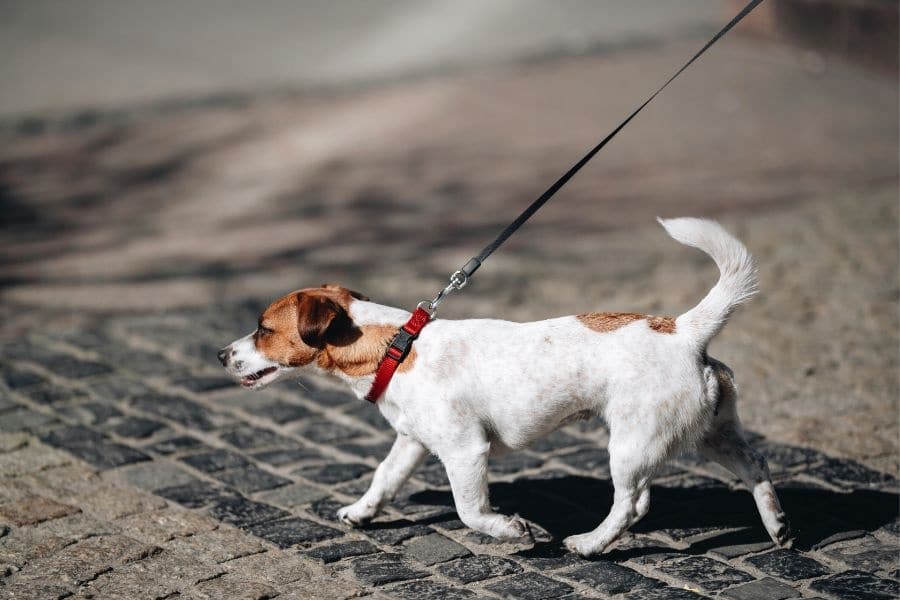
Pavement is unsafe for dog paws once it reaches around 125 degrees Fahrenheit, which can happen when air temperature is only in the mid 80s. A simple rule to remember: if you cannot hold the back of your hand on the pavement for seven seconds, it is too hot for your dog’s paws.
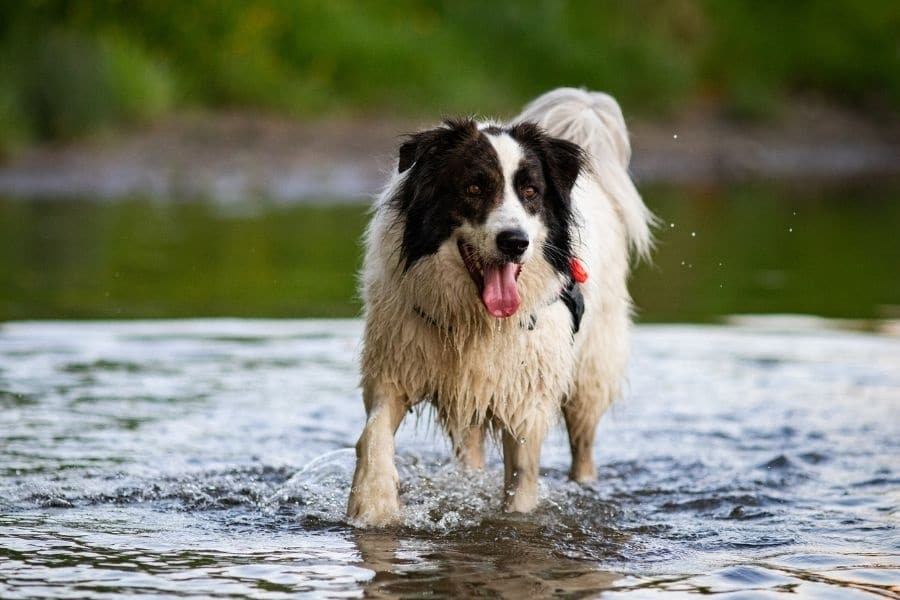
Hot pavement dog paw injuries spike during midday hours, typically between 11 a.m. and 4 p.m., when direct sunlight heats surfaces the fastest. In Tennessee, we see this more often during the humid stretch of July and August, when asphalt and concrete stay hot well into the evening. Sand at the beach or lake can be just as risky, sometimes reaching even higher temperatures than pavement.
Scheduling walks for early morning or after sunset avoids the risk of hot pavement on dog paws. Sticking to grass, dirt trails, or shaded paths also gives paw pads a safer surface to walk on.
Building a Daily Paw Protection Routine
Consistency is what makes summer heat protection actually work, not just occasional caution. A few small habits go a long way toward keeping your dog comfortable and injury-free.
Summer heat pet safety starts with timing your walks around the coolest parts of the day. Pair that with regular paw checks, protective booties for hot surfaces, and paw wax for extra cushioning on longer outings. Many pet owners assume booties are unnecessary if their dog “seems fine,” but heat damage often builds gradually before symptoms appear.
Summer heat pet safety also means keeping fresh water available during every outdoor session, since dehydration and paw injuries often happen together. The team at Cherokee Hospital for Animals recommends a quick paw inspection after every walk during the warmer months, especially if your dog has been on pavement or sand.
Dog paw protection summer habits do not need to be complicated to be effective. Walking during cooler hours, checking surfaces before every outing, and watching for early warning signs can prevent most heat-related paw injuries. A quick daily habit, paired with the right gear for hot pavement, keeps your dog’s paws healthy through even the hottest stretches of summer. If you notice limping, blistering, or unusual licking at the paws, do not wait for it to resolve on its own. Cherokee Hospital for Animals is here to help if your dog needs care after a summer paw injury. Book an appointment today.
Frequently Asked Questions
Q: How can I tell if pavement is too hot for my dog’s paws?
Ans: Press the back of your hand firmly onto the surface for seven seconds. If it feels too hot for your hand, it is too hot for your dog’s paws.
Q: What should I do if my dog burns a paw pad?
Ans: Move your dog off the hot surface immediately, rinse the paw with cool water, and contact your veterinarian for an evaluation, since surface damage can hide deeper injury.
Q: Are dog booties actually effective for summer walks?
Ans: Yes, well-fitted booties create a barrier between paw pads and hot surfaces, and many dogs adjust to wearing them within a few short practice sessions.
Q: What time of day is safest for summer walks?
Ans: Early morning and after sunset are typically safest, since pavement and sand have had time to cool from direct sun exposure.
Q: Can paw pads heal on their own without treatment?
Ans: Mild redness may improve with rest, but blistering, cracking, or open sores need veterinary attention to prevent infection and support proper healing.