
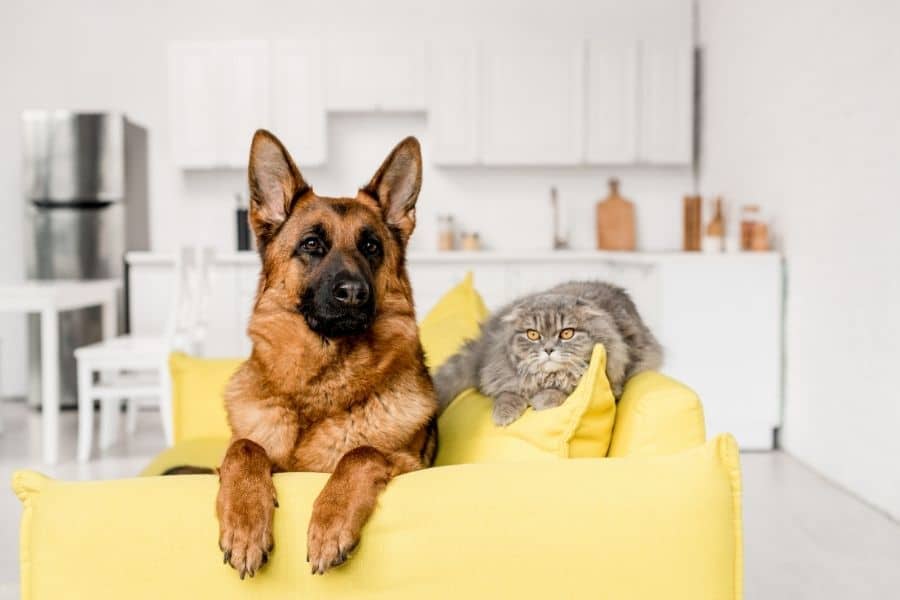
Leaving your pet behind is hard. Finding a place you can actually trust makes all the difference. Pet boarding facility safety is something every responsible owner should think through carefully before making a reservation. A boarding stay should feel like a home away from home, not a source of stress for your dog or cat. The wrong facility can lead to illness, injury, or serious anxiety that takes days to unwind after pickup. The right one will keep your pet comfortable, monitored, and cared for while you are away. This guide walks you through exactly what to look for, what to ask, and what red flags to avoid when choosing where your pet stays.
Why the Right Boarding Facility Matters More Than You Think
Not all boarding facilities are created equal. The difference between a safe, well-run operation and a poorly managed one can have a real impact on your pet’s physical and emotional health.
Boarding stress is more common than most pet owners expect. Dogs and cats both experience anxiety when placed in unfamiliar environments, especially without proper oversight or enrichment. Facilities that prioritize safety will have clear protocols for health screening, vaccination verification, and staff supervision. Those that cut corners often show it quickly.
Pet owners often tell us they assumed all boarding facilities were pretty much the same until their dog came home sick or unusually withdrawn. Illness spreads quickly in group settings. A well-run facility separates animals by size, monitors health daily, and requires documentation before any pet walks through the door.
Accreditation matters too. Facilities affiliated with veterinary practices or certified through industry organizations typically maintain higher standards of cleanliness, staffing, and emergency response than those that operate without any oversight.
Signs Your Pet Boarding Choice Is a Safe One
Spotting a quality facility comes down to a few key indicators. Watch for these during your visit or initial inquiry.
- Valid vaccination requirements: A safe facility will ask for proof of current vaccines before accepting your pet. No documentation check is a major red flag.
- Clean, well-ventilated spaces: Kennels should smell fresh, not like strong chemical cover-ups. Bedding should be clean and sized appropriately.
- Staff-to-pet ratios: Ask how many animals each staff member oversees during peak hours. Understaffed facilities cannot respond quickly to problems.
- Separate areas for dogs and cats: Animals that cannot see or hear each other stay calmer. Facilities that house them together without barriers create unnecessary stress.
- On-call or in-house veterinary access: This is especially important for older pets or those with health conditions.
In our experience, the best facilities are always happy to give you a full tour without notice. Any reluctance to show you the full space should give you pause. Using safe pet boarding tips like requesting a walk-through before committing is one of the simplest ways to protect your pet.
What Questions Should You Ask Before Boarding Your Pet?
Knowing which pet boarding checklist questions to ask separates a careful pet owner from one who books based on price alone. Here are the key questions to bring to every facility evaluation.
- What vaccinations are required before check-in?
- How often are animals checked on during the day and overnight?
- What happens if my pet shows signs of illness during the stay?
- Is there a veterinarian available if something goes wrong?
- How are aggressive or anxious animals handled?
- Are play areas supervised at all times?
- What is the daily routine for boarded pets?
The answers reveal a lot. A well-prepared staff member should respond confidently and specifically. Vague answers like “we handle everything fine” without details are worth noting. These pet boarding checklist questions will help you evaluate not just the facility but the people running it.
How to Make Pet Boarding Less Stressful for Your Animal
Even the best facility can be an adjustment. Planning ahead makes a stress-free pet boarding experience much more likely for both you and your pet.
Bring familiar items from home. A favorite blanket or a worn t-shirt with your scent can dramatically reduce anxiety in the first 24 hours. Stick to your pet’s normal feeding schedule as closely as possible, and communicate any dietary needs clearly to the staff.
We frequently remind our clients that short trial stays work well for first-time boarders. Dropping your pet off for a single night before a longer trip lets them get familiar with the environment and staff without the added pressure of an extended separation.
Pets with medical needs require extra preparation. Share a written summary of medications, dosing schedules, and any behavioral quirks the staff should know. Do not assume verbal communication will be passed along to every shift. Written notes are far more reliable.
A stress free pet boarding experience for anxious dogs often includes extra exercise the day before check-in. A tired dog adjusts more easily to a new space.
Choosing a Boarding Facility That Puts Veterinary Care First
The gold standard for pet boarding is a facility connected to a veterinary practice. This structure means trained medical staff are on-site or immediately accessible, health concerns are caught early, and your pet’s history is already on file.
Facilities that operate independently of veterinary oversight rely on staff to make judgment calls about illness or injury without clinical backup. In Johnson City, TN, pet owners have the advantage of choosing boarding options that integrate directly with veterinary teams, which dramatically increases the safety margin for pets of all ages.
When choosing a pet boarding vet, look for a facility that shares records with your regular vet, requires a health exam before boarding for pets with chronic conditions, and has a clear plan for after-hours situations. These are the marks of a facility that takes its responsibility seriously.
Choosing a pet boarding vet over a standalone facility is especially important for senior pets, puppies, kittens, or animals managing ongoing health issues. At Cherokee Hospital for Animals, we provide pet boarding services alongside full-service veterinary care, so your pet is never far from the support they need.
Making the Final Call With Confidence
Choosing where your pet stays while you are away is not a decision to rush. A visit in person, a list of prepared questions, and attention to how staff interact with the animals already in their care will tell you most of what you need to know.
Pet boarding facility safety comes down to transparency, cleanliness, veterinary access, and genuine care. Facilities that meet those standards welcome your scrutiny. Those that do not are worth crossing off your list immediately.
Trust your instincts. If something feels off during a tour, it probably is. Your pet deserves a stay that leaves them healthy, rested, and happy to see you at pickup. The team at Cherokee Hospital for Animals is here to help you make that happen. Book an appointment today.
Frequently Asked Questions
Q: What vaccinations does my dog need before boarding?
Ans: Most boarding facilities require dogs to be current on rabies, parvovirus, and the kennel cough vaccine at minimum. Your veterinarian can confirm which vaccines are up to date and provide documentation for check-in.
Q: How do I know if a boarding facility is safe for my cat?
Ans: Look for facilities that house cats separately from dogs, offer quiet and enclosed spaces, and check on cats multiple times throughout the day. Ask about enrichment and how staff respond if a cat stops eating.
Q: Is it better to board my pet at a veterinary hospital?
Ans: For most pets, especially those with health conditions or anxiety, boarding at a veterinary facility offers an added layer of security. Medical staff can respond quickly to illness or behavioral changes without needing to transfer your pet elsewhere.
Q: What should I bring when boarding my pet?
Ans: Bring your pet’s regular food, any medications with written instructions, vaccination records, and a comfort item from home such as a blanket or toy. Avoid bringing items of high personal value that could be lost or damaged.
Q: How can I prepare an anxious dog for boarding?
Ans: Schedule a short trial stay before a longer trip, exercise your dog well the day before check-in, and bring something that smells like home. Let the staff know about your dog’s anxiety so they can give extra check-ins and reassurance during the stay.
Related Articles