A quick jump off the bed. A rough game of fetch. A slip on the hardwood floor. Many pet injuries start with everyday moments that barely seem concerning at first. Dogs and cats are incredibly good at hiding discomfort, which means serious problems can quietly develop long before obvious symptoms appear.
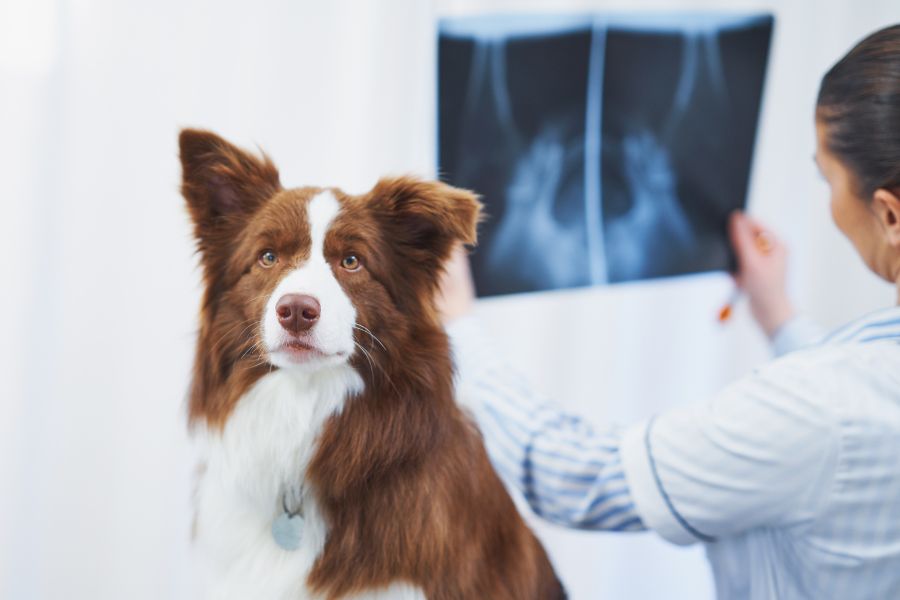
If you’re a pet owner in Johnson City, this blog is especially for you. Understanding the early signs of hidden injuries can help protect your pet’s comfort, mobility, and long-term health. Diagnostic testing using X-rays helps veterinarians uncover injuries hidden beneath the surface before they become more painful and difficult to treat.
Small Fractures Can Cause Lasting Problems
A slight limp can easily look harmless at first. Many pets still eat, run, and wag their tails while dealing with tiny fractures that continue worsening with movement.
Hairline fractures often develop after falls, rough play, or sudden impacts. Swelling may be minimal, making the injury difficult to recognize without diagnostic imaging.
Warning Signs Often Linked To Hidden Fractures
- Limping after activity: Pain may increase once adrenaline wears off.
- Avoiding stairs or jumping: Movement changes often signal discomfort.
- Whining during touch: Sensitive limbs may indicate deeper skeletal injuries.
- Sudden slowing during walks: Pets sometimes adjust their movement to avoid pressure.
Diagnostic X-rays allow veterinarians to detect fractures early, before bones shift further out of alignment.
Internal Chest Injuries Often Stay Invisible
Not every serious injury leaves a visible mark. Pets involved in falls, vehicle accidents, or rough physical activity may develop chest trauma without obvious bruising or cuts.
Breathing problems can appear gradually over several hours, especially when fluid buildup or rib fractures are involved.
Hidden Chest Conditions X-Rays Can Reveal
- Rib fractures: Small cracks can make breathing painful.
- Collapsed lungs: Air leakage inside the chest affects oxygen flow.
- Fluid accumulation: Blood or inflammation may surround the lungs.
- Diaphragm damage: Muscle injuries can interfere with breathing function.
Cats, in particular, tend to hide respiratory discomfort until symptoms become more advanced.
Joint Injuries Commonly Mimic Simple Aging
A pet slowing down does not always mean age is the cause. Hidden joint injuries often look like stiffness, laziness, or temporary soreness in the early stages.
Ligament injuries and joint instability can gradually worsen over time while pets continue trying to stay active.
Common Joint Problems: Diagnostic Imaging Detects
- Hip abnormalities: Structural changes may affect mobility.
- Knee ligament injuries: Damage can trigger off-and-on limping.
- Early arthritis: Inflammation often develops quietly.
- Joint dislocations: Partial shifting may remain difficult to spot externally.
Large-breed dogs frequently compensate for discomfort, making subtle mobility changes easy to overlook.
Swallowed Objects Can Become Dangerous Quickly
Pets explore the world with curiosity, and many household items, unfortunately, end up swallowed. Socks, toy pieces, bones, string, and hair ties can create dangerous intestinal blockages.
Some pets continue acting fairly normal during the early stages of an obstruction, which can delay treatment.
Signs Something May Be Stuck Internally
- Repeated vomiting: Food may struggle to move through the digestive system.
- Loss of appetite: Nausea often develops alongside blockages.
- Restlessness or pacing: Abdominal discomfort may increase anxiety.
- Difficulty passing stool: Obstructions can interrupt digestion.
Diagnostic X-rays help veterinarians identify foreign objects quickly and determine the safest next steps for treatment.
Dental Injuries Often Hide Below the Surface
Broken teeth are not always easy to spot during a quick visual exam. Many dental injuries occur beneath the gumline, where damage remains hidden without imaging.
Pets dealing with oral pain may continue eating despite significant discomfort.
Hidden Dental Problems X-Rays Commonly Identify
- Tooth root fractures: Damage may exist below the visible tooth surface.
- Jawbone injuries: Small fractures can affect chewing ability.
- Abscesses: Infections may form around damaged teeth.
- Bone loss: Chronic dental disease can weaken surrounding structures.
Dental pain can affect appetite, mood, and overall quality of life more than many pet owners realize.
Many pet owners also recognize how deeply the team at Cherokee Hospital for Animals values the connection people share with their animals.
Dr. Simpkins especially believes that some of the most meaningful moments in veterinary care come from supporting the unique bond between pets and their families. This perspective continues to shape the hospital’s approach to diagnostic support and patient care.
Behavior Changes May Signal Hidden Pain
Pets rarely point directly to where discomfort exists. Behavioral changes are often one of the earliest clues that something deeper may be wrong internally.
A social dog may suddenly prefer isolation. An energetic cat may stop climbing or playing as frequently as before.
Subtle Behavioral Changes Worth Watching
- Sleeping more often: Pain can reduce normal activity levels.
- Avoiding physical contact: Sensitive injuries may make touch uncomfortable.
- Hiding unexpectedly: Cats, in particular, withdraw when discomfort increases.
- Reduced interest in play: Movement may worsen underlying pain.
Diagnostic X-rays help veterinarians investigate these subtle warning signs more thoroughly.
Delayed Diagnosis Can Worsen Injuries Faster
Small injuries rarely stay small forever. Tiny fractures can shift, inflammation may spread, and untreated trauma can create long-term mobility problems.
Early imaging often allows veterinarians to begin treatment before complications become more severe.
Benefits of Early Diagnostic X-Ray Evaluation
- Faster answers: Earlier diagnosis reduces unnecessary delays.
- Better treatment planning: Imaging helps guide targeted care decisions.
- Improved healing support: Prompt treatment may reduce the risk of future complications.
- Recovery monitoring: Follow-up imaging safely tracks healing progress.
Even mild symptoms can sometimes point toward significant hidden injuries beneath the surface.
Certain Symptoms Should Never be Ignored
Some warning signs deserve immediate veterinary evaluation, especially after accidents or sudden physical changes.
Signs Your Pet May Need X-Rays Soon
- Trouble breathing: Chest trauma may quickly affect oxygen levels.
- Sudden inability to walk: Orthopedic injuries can worsen rapidly.
- Persistent vomiting: Digestive blockages require prompt attention.
- Visible swelling: Internal injuries may be developing beneath the surface.
- Pain after a fall: Hidden fractures are common after impact injuries.
A quick diagnostic evaluation can improve recovery outcomes while reducing unnecessary discomfort for pets.
Early Detection Helps Pets Stay Active Longer
Pets depend on mobility and comfort for well-being. Hidden injuries can gradually affect walking, eating, playing, and resting before symptoms appear. X-rays help veterinarians detect internal problems early, allowing for prompt treatment. Monitoring changes in behavior, mobility, or appetite is crucial for your pet’s long-term health.
If you’re in Johnson City and you notice your pet limping, breathing differently, hiding more often, or acting unusually after an injury, diagnostic X-ray services near you may help uncover hidden problems before they become more serious. Book an appointment with Cherokee Hospital for Animals to help your dog or cat receive timely diagnostic care and attentive support from a team focused on improving comfort, mobility, and recovery.
FAQs
1. Why do pets sometimes hide serious injuries?
Dogs and cats instinctively mask discomfort as a survival behavior. Many continue eating, walking, or playing normally, even while fractures, joint injuries, or internal trauma worsen underneath.
2. Can a pet still run with a fractured bone?
Yes. Some pets continue moving despite small fractures or hairline cracks. Adrenaline often masks pain temporarily, making diagnostic X-rays important after limping or accidents.
3. How quickly can swallowed objects become dangerous?
Certain objects can create intestinal blockages within hours. Vomiting, appetite loss, abdominal discomfort, and pacing may appear gradually as the obstruction worsens internally.
4. Are behavior changes really linked to hidden pain?
Sudden hiding, reduced playfulness, increased sleepiness, or avoidance of touch often signal discomfort. Behavioral changes are sometimes one of the earliest indicators of internal injuries in pets.
5. Why are dental injuries difficult to notice early?
Many dental injuries occur below the gumline, where cracks, infections, and root damage remain invisible during basic exams. Diagnostic X-rays help uncover hidden oral problems earlier.