
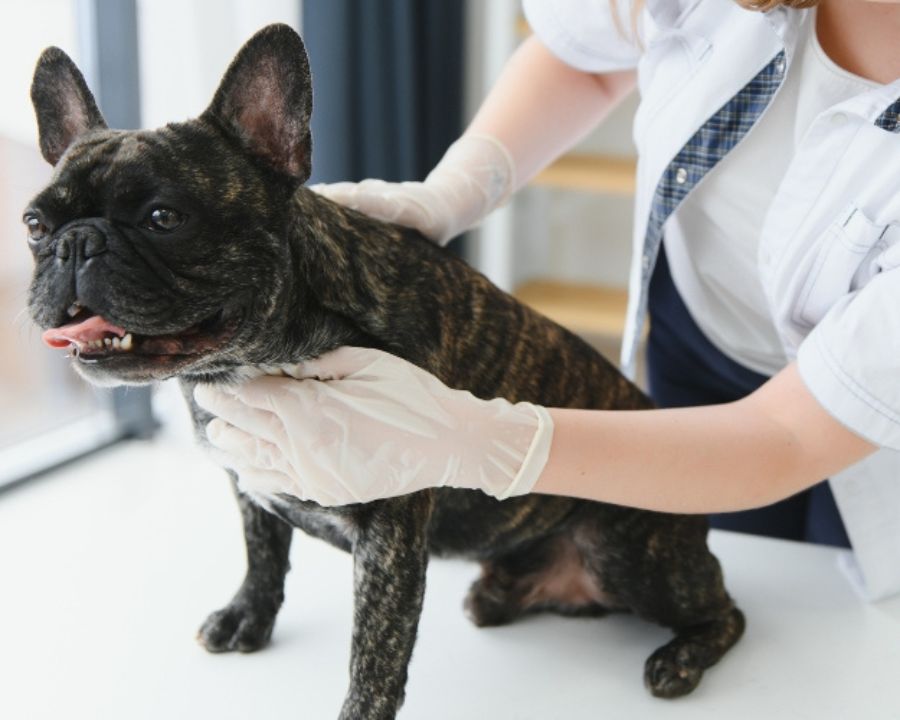
Pets become part of the family from the moment they enter your home. They bring companionship, comfort, and joy every single day. Because of this, protecting their health should remain a priority throughout every stage of life. While many pet owners seek veterinary help when their animals become sick or injured, consistent wellness support can help prevent many health concerns before they become serious.
Routine veterinary visits allow professionals to identify hidden issues early, monitor ongoing health changes, and support long-term wellness. Through regular checkups, vaccinations, nutrition guidance, and parasite prevention, pets can enjoy healthier and more comfortable lives. Families in Johnson City, TN also benefit from having access to trusted veterinary professionals who understand the needs of local pets and their environments.
Why Preventative Care Matters for Pets
Animals cannot explain when something feels wrong. In many cases, pets naturally hide pain or illness until symptoms become severe. Preventive veterinary services help detect subtle signs before conditions progress.
Regular wellness care supports:
- Early disease detection
- Strong immune system function
- Healthy weight management
- Better dental health
- Longer lifespan
- Improved quality of life
Instead of waiting for illness to appear, veterinarians focus on reducing risks and maintaining overall wellness. This proactive approach often leads to fewer emergency situations and lower long-term treatment costs.
Routine Wellness Exams Support Lifelong Health
Annual or semi-annual wellness exams are one of the most important parts of responsible pet ownership. During these visits, veterinarians evaluate your pet from nose to tail.
A complete physical examination may include:
- Weight and body condition assessment
- Heart and lung evaluation
- Skin and coat inspection
- Joint and mobility checks
- Eye and ear examination
- Dental evaluation
- Abdominal palpation
These appointments create a medical history that helps veterinarians notice even small changes over time. Early detection greatly improves treatment outcomes for many conditions, including arthritis, diabetes, kidney disease, and heart problems.
Puppies and kittens often require more frequent visits during their first year. Senior pets may also need additional monitoring because aging increases the risk of chronic illness.
Vaccinations Provide Essential Protection
Vaccinations remain one of the most effective ways to protect pets from dangerous infectious diseases. Core vaccines help guard against illnesses that can spread rapidly and cause serious complications.
Dogs commonly receive vaccines for:
- Rabies
- Distemper
- Parvovirus
- Adenovirus
Cats commonly receive vaccines for:
- Rabies
- Feline panleukopenia
- Calicivirus
- Herpesvirus
Lifestyle also influences vaccine recommendations. Pets that board, travel, visit parks, or interact with other animals may need additional protection.
Veterinarians customize vaccination schedules based on:
- Age
- Breed
- Lifestyle
- Health history
- Environmental exposure
Keeping vaccines current reduces disease risk while helping protect the wider pet community.
Parasite Prevention Keeps Pets Safe
Fleas, ticks, heartworms, and intestinal parasites can create serious health concerns for pets. Some parasites also affect humans, making prevention especially important for families.
Parasites may cause:
- Skin irritation
- Allergic reactions
- Anemia
- Digestive problems
- Organ damage
- Life-threatening illness
Year-round prevention helps reduce these risks. Veterinarians recommend parasite control products based on local environmental conditions and your pet’s lifestyle.
Heartworm disease deserves particular attention because mosquitoes spread it easily. Once infected, dogs may develop severe heart and lung damage. Treatment can become expensive and physically demanding, which makes prevention the safest option.
Consistent pet preventative care supports protection against these common but dangerous threats.
Dental Health Plays a Major Role in Wellness
Dental disease affects many pets earlier than owners realize. Plaque and tartar buildup can eventually lead to infection, gum disease, tooth loss, and pain.
Poor oral health may also contribute to:
- Heart disease
- Kidney complications
- Liver problems
Professional dental cleanings and home oral hygiene routines help maintain healthy teeth and gums. Veterinarians may recommend:
- Dental exams
- Professional cleanings
- Dental chews
- Tooth brushing routines
- Prescription dental diets
Fresh breath alone does not guarantee good oral health. Routine dental evaluations remain essential for identifying hidden problems.
Nutrition Helps Prevent Chronic Disease
A balanced diet plays a critical role in long-term wellness. Proper nutrition supports healthy growth, immune function, energy levels, and weight control.
Unfortunately, obesity has become increasingly common among pets. Excess weight increases the risk of:
- Diabetes
- Joint disease
- Heart problems
- Respiratory issues
- Reduced mobility
Veterinarians help pet owners choose diets based on:
- Species
- Breed
- Age
- Activity level
- Medical conditions
Feeding recommendations may change throughout your pet’s life. Puppies and kittens require nutrients that support growth, while senior pets often benefit from specialized diets designed for aging bodies.
Treats should also remain balanced within daily calorie intake. Small dietary adjustments can make a significant difference over time.
Early Detection Improves Treatment Success
Preventive screenings help veterinarians identify illnesses before symptoms become obvious. Many diseases progress silently during early stages.
Diagnostic testing may include:
- Bloodwork
- Urinalysis
- Fecal exams
- Blood pressure checks
- Imaging studies
These tests provide valuable insight into internal health. Early diagnosis often allows for simpler, more effective treatment options.
For example:
- Kidney disease can be managed more successfully when caught early
- Diabetes treatment becomes easier with prompt diagnosis
- Certain cancers respond better during initial stages
Preventive screening becomes especially important for senior pets because age-related conditions often develop gradually.
Spaying and Neutering Offer Health Benefits
Spaying and neutering help control pet overpopulation, but they also provide important medical benefits.
Potential benefits include:
- Reduced cancer risk
- Prevention of uterine infections
- Lower risk of reproductive disease
- Reduced roaming behavior
- Decreased aggression in some pets
Veterinarians determine the appropriate timing based on breed, size, and overall health.
These procedures often contribute to safer and healthier lives for pets while supporting responsible ownership.
Senior Pets Need Additional Preventive Support
As pets age, their healthcare needs change. Senior animals become more vulnerable to arthritis, vision problems, cognitive decline, and chronic illness.
Older pets benefit from:
- More frequent wellness exams
- Pain management monitoring
- Mobility assessments
- Specialized nutrition
- Routine diagnostic testing
Behavioral changes may also indicate underlying health issues. Increased sleeping, reduced appetite, confusion, or changes in mobility should never be ignored.
With proper monitoring and supportive care, senior pets can continue enjoying active and comfortable lives for many years.
Preventive Care Strengthens the Human-Animal Bond
Healthy pets tend to remain more active, social, and engaged with their families. Preventive healthcare supports not only physical wellness but also emotional wellbeing.
When pets feel better, they often:
- Play more
- Maintain better mobility
- Experience less discomfort
- Interact more positively with family members
Preventive care also gives pet owners peace of mind. Knowing your companion receives regular medical attention helps reduce uncertainty and supports confident decision-making.
Seasonal Risks Affect Local Pets
Environmental conditions influence the health risks pets face throughout the year. Seasonal weather changes can increase exposure to fleas, ticks, allergies, and heat-related illness.
Local veterinarians understand common regional concerns and can recommend customized protection plans. This personalized approach helps ensure pets remain safe regardless of season.
Families searching for trusted guidance in Johnson City, TN often benefit from building long-term relationships with veterinary teams that understand community-specific pet health needs.
Building a Long-Term Preventive Care Plan
Every pet has unique healthcare needs. Preventive plans should evolve throughout different life stages.
A strong wellness strategy often includes:
- Routine physical exams
- Vaccination updates
- Parasite prevention
- Nutritional support
- Dental care
- Diagnostic screenings
- Exercise recommendations
Consistency remains one of the most important factors in long-term wellness. Skipping routine visits may allow hidden conditions to progress unnoticed.
By maintaining regular veterinary care, pet owners create a stronger foundation for lifelong health and happiness.
Preventive healthcare helps pets live longer, healthier, and more comfortable lives. From vaccinations and nutrition to dental care and early disease detection, every aspect of wellness support contributes to better overall health. Routine veterinary visits allow medical concerns to be addressed before they become more serious, helping pets enjoy every stage of life with greater comfort and vitality.
If you’re in Johnson City and looking for pet preventative care, schedule an appointment with Cherokee Hospital for Animals. Our veterinary team is committed to supporting your pet’s lifelong health through compassionate, personalized wellness services.
FAQs
1. How often should my pet visit the veterinarian?
Most healthy adult pets should visit the veterinarian at least once a year. Puppies, kittens, senior pets, and animals with medical conditions may need more frequent exams.
2. Why are routine wellness exams important?
Wellness exams help veterinarians detect health issues early, monitor changes over time, and provide preventive recommendations that support long-term wellness.
3. What vaccines does my pet need?
Vaccine recommendations depend on your pet’s age, lifestyle, and health history. Your veterinarian will create a customized vaccination plan.
4. Can indoor pets still get parasites?
Yes. Indoor pets may still encounter fleas, ticks, mosquitoes, or intestinal parasites. Preventive medication helps reduce these risks year-round.
5. How does dental care affect my pet’s overall health?
Dental disease can contribute to infections and organ complications if left untreated. Regular dental care helps maintain both oral and overall health.
6. Why choose Cherokee Hospital for Animals for preventive veterinary services?
Cherokee Hospital for Animals provides compassionate wellness care focused on prevention, early detection, and personalized treatment plans designed to support lifelong pet health.