
When your veterinarian recommends an X-ray for your pet, it is natural to have questions. What will the process look like? Will your pet be comfortable? How long will it take? These are concerns every caring pet owner brings into the exam room. Pet digital x-rays vet teams use today are faster, safer, and more detailed than older film-based methods, which means answers come quicker and your pet spends less time on the table. Whether your dog limped in after a morning run or your cat has been showing signs of digestive trouble, diagnostic imaging gives your veterinarian a clear picture of what is happening beneath the surface. This article walks you through everything you need to know before, during, and after the process so you and your pet can feel prepared and confident walking through the door.
Why Modern Diagnostic Imaging Is a Game-Changer for Pet Health
Digital radiography has transformed the way veterinarians diagnose illness and injury in animals. Unlike traditional film X-rays, digital imaging produces high-resolution images almost instantly, with no chemical processing required. This means your veterinarian can evaluate results in the room, make faster decisions, and begin treatment sooner.
An estimated 1 in 3 pets will experience a musculoskeletal problem at some point in their life, and imaging is often the only reliable way to identify fractures, joint disease, or bone abnormalities that a physical exam alone cannot confirm. Beyond bones, veterinary imaging for pets captures soft tissue structures including the lungs, heart, bladder, and intestines, giving clinicians a full picture of internal health.
Digital X-rays also use significantly less radiation than older film technology. While any amount of radiation deserves careful handling, the reduction in exposure is meaningful, especially for pets that require repeat imaging during long-term treatment.
Signs Your Pet May Need an X-Ray
Veterinarians do not recommend imaging without a clinical reason. If your pet is showing any of the following signs, a diagnostic X-ray may be part of the next steps:
- Limping or favoring one leg: Even if no swelling is visible, a digital x-ray for dogs and cats can reveal hairline fractures or joint changes that explain sudden or chronic lameness.
- Labored or rapid breathing: Chest X-rays help detect fluid around the lungs, enlarged heart size, or masses that affect respiratory function.
- Swollen or distended abdomen: A bloated belly can signal gas buildup, organ enlargement, or fluid accumulation, all of which appear clearly on abdominal imaging.
- Vomiting or refusing food: When a cat x-ray at vet reveals a foreign object or intestinal obstruction, it can be a lifesaving discovery.
- Chronic coughing: Persistent coughs that do not respond to basic treatment often point to structural issues your veterinarian can only confirm through imaging.
If your pet is displaying any of these symptoms, contact your veterinarian promptly. Early imaging often leads to earlier intervention and better outcomes.
In the exam room, it is common for pet owners to say, “I thought they were just getting older.” What they may not realize is that limping, slowing down, and reluctance to jump are often signs of treatable conditions, not inevitable aging. X-rays regularly reveal arthritis, soft tissue injuries, and other issues that respond well to proper management once identified.
What Happens During a Pet X-Ray Appointment
Understanding the process ahead of time helps reduce anxiety for both pets and their owners. Here is a step-by-step breakdown of what typically happens during a pet radiograph what to expect appointment:
- Check-in and intake review: Your veterinary team reviews your pet’s history, current symptoms, and any relevant prior imaging before beginning.
- Positioning: Your pet is gently positioned on the X-ray table. Technicians use padded supports and calm handling techniques to keep your pet comfortable and still.
- Image capture: The digital sensor captures the image in a fraction of a second. Most pets tolerate this well without sedation.
- Sedation if needed: For anxious pets, those in significant pain, or situations requiring precise positioning, light sedation may be recommended. Your veterinarian will discuss this with you beforehand.
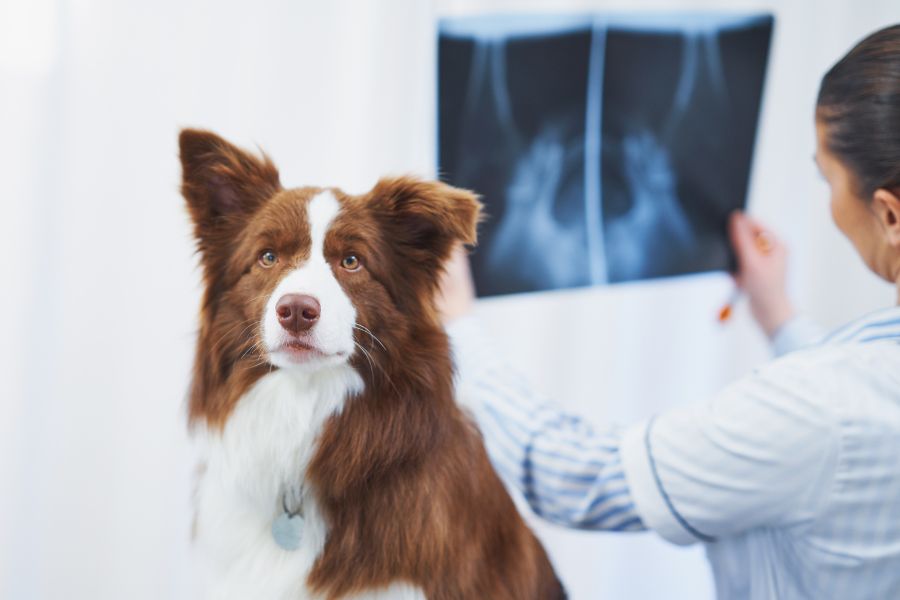
- Image review: Your veterinarian evaluates the images immediately on a high-resolution monitor, often while you are still in the room.
- Results discussion: Your veterinarian explains what the images show, answers your questions, and outlines the next steps in your pet’s care plan.
In Johnson City, TN, pet owners often appreciate how quickly the digital process moves. From positioning to image review, a standard X-ray session typically takes 15 to 30 minutes, though sedation cases may require more time.
How Tennessee’s Climate and Active Lifestyles Affect Pet Imaging Needs
Pets in East Tennessee live active lives. Hiking trails, open backyards, and seasonal outdoor activity are part of daily life here, and that activity level comes with a higher chance of soft tissue injuries, joint stress, and trauma-related conditions.
A common misconception among active pet owners is that a dog who is still eating and drinking normally after an injury is probably fine. In reality, many serious injuries, including fractures that do not break the skin and joint injuries that cause internal bleeding, show no dramatic outward signs. A digital x-ray for dogs is often the only way to know for certain what is happening.
Additionally, fall and winter months in the Johnson City, TN area bring slippery surfaces and temperature-related joint stiffness. Veterinarians in this region see a seasonal uptick in imaging requests as older pets experience more pronounced arthritis flares and younger, active pets suffer slips and falls. Seasonal timing is worth keeping in mind if your pet seems uncomfortable during colder months.
Choosing the Right Veterinary Team for Diagnostic Imaging
Not all veterinary facilities offer the same level of imaging technology or experience. When evaluating where to bring your pet for a cat x-ray at vet or any other diagnostic imaging, consider the following:
- Equipment quality: Look for practices that use modern digital radiography systems, not older film-based equipment.
- Experienced technicians: Proper positioning is critical to image accuracy. Ask whether trained veterinary technicians handle the imaging process.
- In-house reading capability: Clinics that can review images on-site deliver faster answers. Some facilities send images to off-site radiologists, which can add days to the process.
- Transparent communication: Your veterinarian should walk you through the images and explain findings clearly, not just hand you a report.
- Comfort protocols: Ask what steps the team takes to minimize your pet’s stress during the procedure.
Veterinary imaging for pets is most valuable when performed by a team that combines technical precision with compassionate care. Cherokee Hospital for Animals in Johnson City, TN brings both to every appointment, ensuring pet owners get the answers they need without unnecessary delays or stress for their animals.
Diagnostic imaging is one of the most important tools in modern veterinary medicine, and knowing what to expect makes the experience far less intimidating. If your veterinarian has recommended an X-ray or you suspect your pet needs one, reaching out sooner rather than later gives your pet the best chance at a fast, accurate diagnosis. Pet digital x-rays vet teams use today are built for speed, clarity, and safety, and the results can make an enormous difference in the care your pet receives. Cherokee Hospital for Animals is here to guide you and your pet through every step of the process. Book an appointment today.
Frequently Asked Questions
Q: Are digital X-rays safe for pets?
Ans: Yes. Digital X-rays use significantly less radiation than traditional film-based X-rays, and the exposure during a single session is minimal. Your veterinary team follows strict safety protocols and only recommends imaging when it is clinically necessary for your pet’s health.
Q: Does my pet need to be sedated for an X-ray?
Ans: Not always. Many pets can be positioned comfortably without sedation. However, if your pet is anxious, in pain, or requires very precise positioning for an accurate image, your veterinarian may recommend a mild sedative to keep them calm and still throughout the process.
Q: How long does a pet X-ray appointment take?
Ans: Most digital X-ray appointments take between 15 and 30 minutes from positioning to image review. If sedation is needed or multiple views are required, the appointment may take a bit longer. Your veterinary team will give you a time estimate when you schedule.
Q: What can a pet X-ray detect?
Ans: Pet X-rays can detect a wide range of conditions, including bone fractures, joint disease, foreign objects in the digestive tract, lung abnormalities, heart enlargement, bladder stones, and abdominal masses. Your veterinarian will recommend the appropriate type of imaging based on your pet’s symptoms.
Q: How should I prepare my pet for an X-ray appointment?
Ans: In most cases, no special preparation is needed for a standard X-ray. If sedation may be required, your veterinarian will advise you to withhold food for a few hours beforehand. Bring a list of your pet’s current medications and any relevant health history to help your veterinary team plan the session effectively.